


The same input, two very different hash algorithms
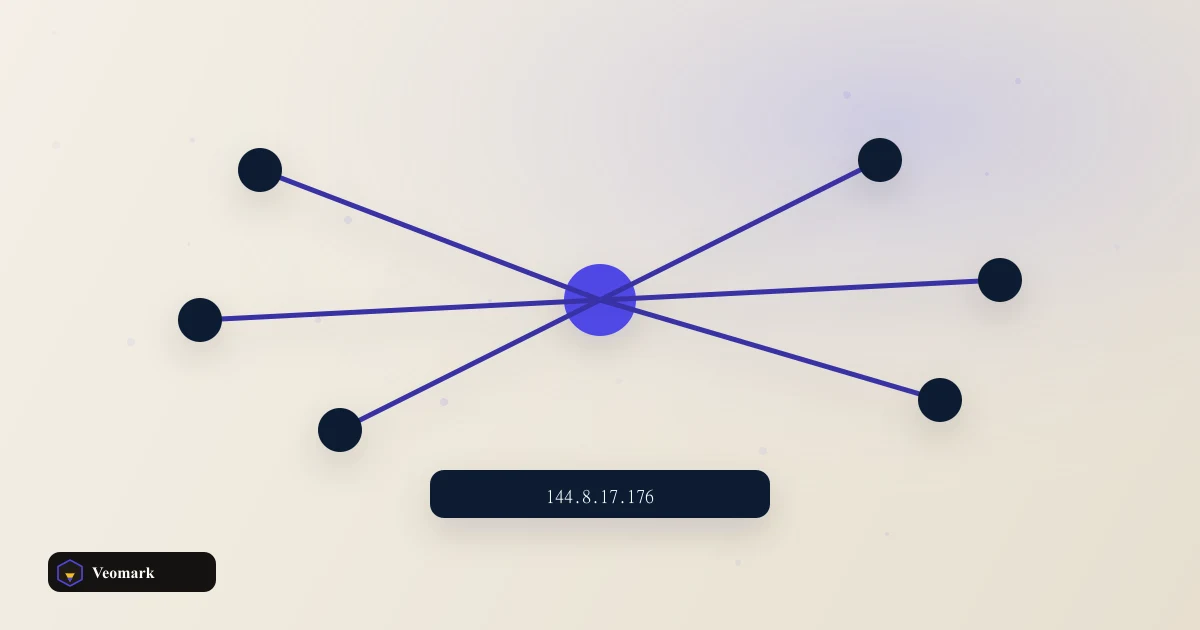
The text 'hello veomark' hashed with SHA-256 produces the hex digest 416fd9ef8bd1d0f65a19f85a8bd85b08d5d7dba8797196de143cf1506412c902 -- a fixed 64-character hexadecimal string regardless of input length, since SHA-256 always outputs exactly 256 bits.
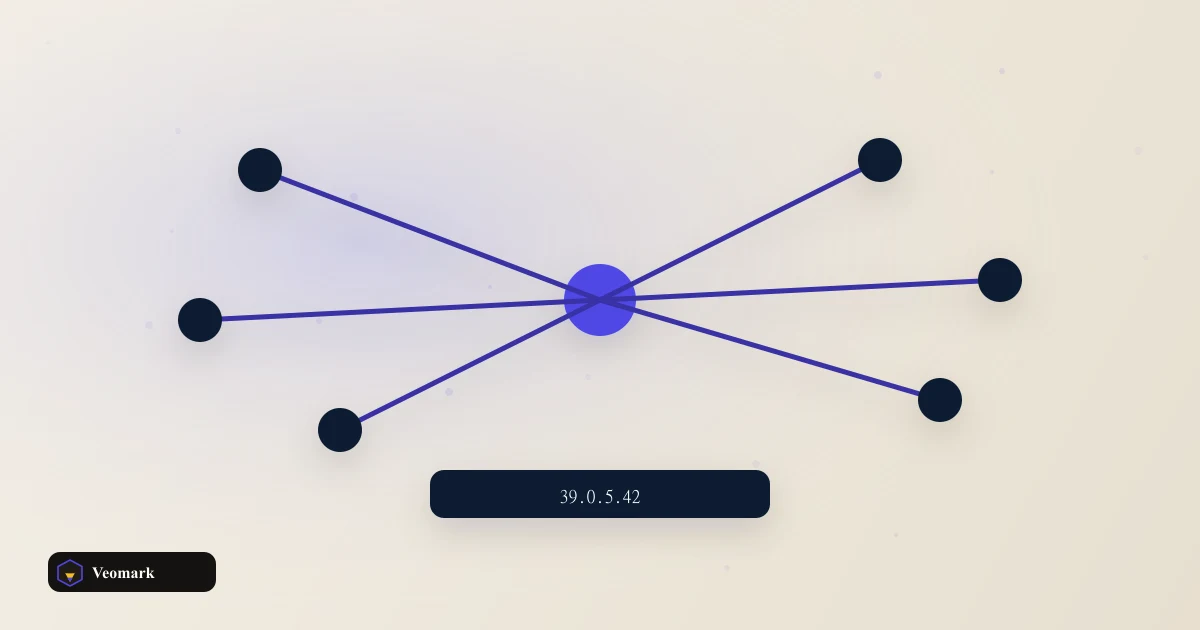
Switching the algorithm to MD5 on the same input produces a completely different, shorter 32-character hex digest, since MD5 outputs 128 bits instead of SHA-256's 256 -- the two algorithms aren't interchangeable, and there's no way to convert one hash to the other after the fact.
Both are one-way functions: there's no operation that reverses a hash back to its original input. The only way to 'check' a hash is to hash a candidate input again and compare the two digests for an exact match.
Why MD5 shouldn't be used for anything security-sensitive
SHA uses SubtleCrypto. MD5 is a compact client implementation and is not for security. MD5 has known, practical collision vulnerabilities (two different inputs producing the same hash) that have been demonstrated for years -- it should never be used for password storage, digital signatures, or any application where collision resistance matters for security.
SHA-256 (computed here via the browser's native SubtleCrypto API, the same cryptographic engine used by real security-sensitive browser features) remains considered cryptographically strong and is appropriate for integrity checks, though even SHA-256 alone isn't the right tool for password storage, which needs a purpose-built slow hash like bcrypt or Argon2 instead.
Legitimate uses for MD5 today are mostly non-security: quick file-integrity checks against accidental corruption, cache-busting keys, or checksums where an adversarial attacker isn't a concern -- not password hashing or anything protecting against a deliberate attack.
Related cryptographic tools
For verifying a message came from someone holding a shared secret (not just checking content integrity), the HMAC Signature Generator adds a secret key into the hashing process.
If you're building or inspecting tokens rather than raw hashes, the JWT Decoder and JWT Token Generator work with a structured format built on top of similar cryptographic primitives.
Frequently Asked Questions (FAQ)
Why is the SHA-256 output always 64 hex characters regardless of input length?
Because SHA-256 always produces a fixed 256-bit digest, which represents as exactly 64 hexadecimal characters (256 bits / 4 bits per hex digit = 64). A one-character input and a million-character input both produce a 64-character SHA-256 hex digest.
Can I convert an MD5 hash to what the SHA-256 hash would have been?
No. The two algorithms are entirely different one-way functions with no mathematical relationship that lets you derive one from the other. You'd need the original input and the target algorithm to compute the equivalent hash.
Why shouldn't MD5 be used for passwords or security purposes?
SHA uses SubtleCrypto. MD5 is a compact client implementation and is not for security. MD5 has well-documented practical collision vulnerabilities where two different inputs can be crafted to produce the same hash, which undermines its use anywhere collision resistance matters for security, including password storage and digital signatures.
Is SHA-256 safe for storing passwords?
Not directly, even though it's cryptographically strong for integrity purposes. Password storage needs a deliberately slow, salted hashing algorithm like bcrypt, scrypt, or Argon2 specifically designed to resist brute-force attacks -- a fast general-purpose hash like SHA-256 is the wrong tool for that specific job.
What's a legitimate use for MD5 today?
Non-adversarial integrity checks -- verifying a downloaded file wasn't accidentally corrupted in transit, generating a quick cache key, or deduplicating data -- where nobody is deliberately trying to forge a matching hash. Anything involving a potential attacker should use SHA-256 or stronger instead.